By: Sarah Brown, FEA
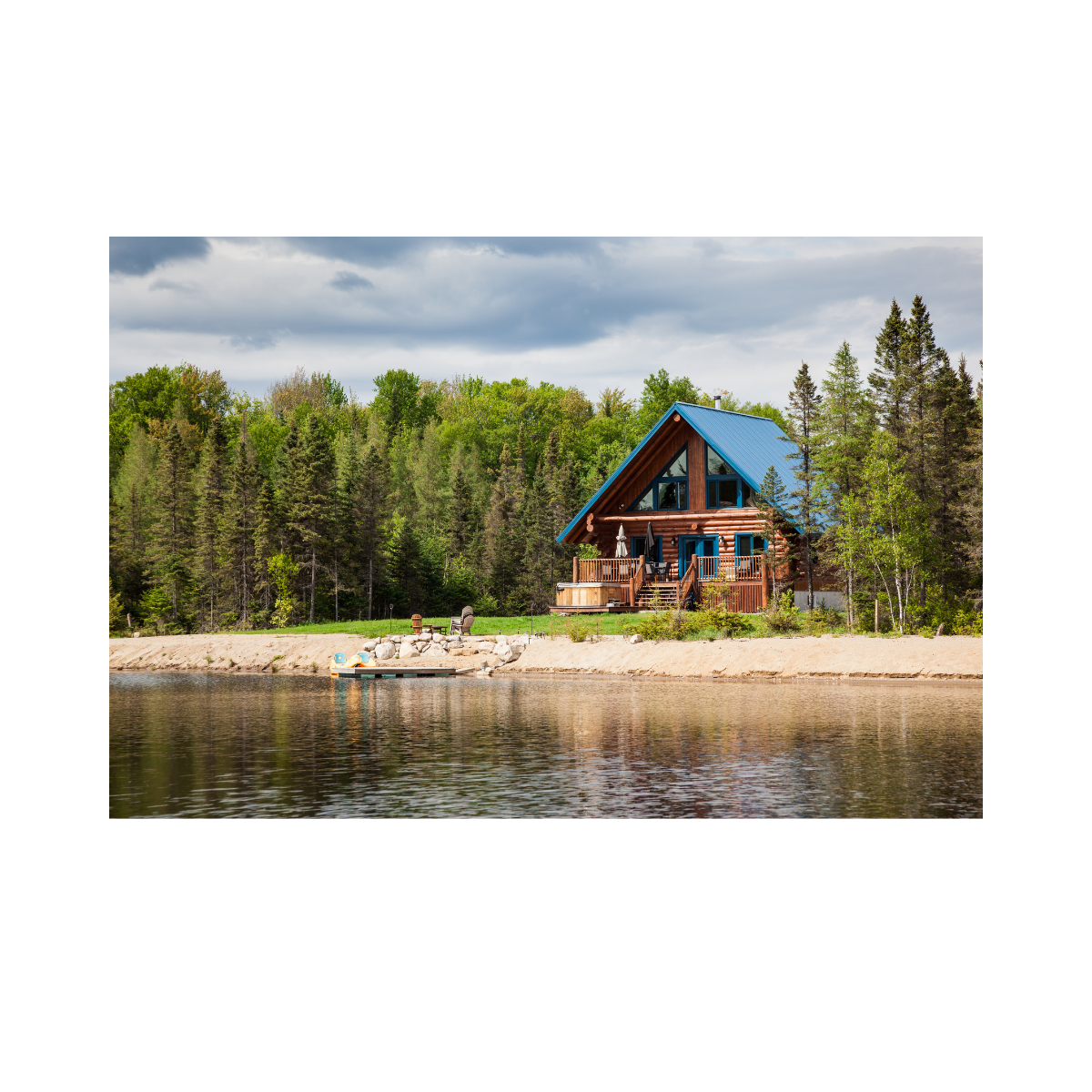
For many Canadian families, the cottage is more than a property. It is where the kids learned to swim, where summers stretched out slowly, where three generations gathered around the same table. It holds a version of family life that cannot be replicated, and for most people, the thought of losing it is unimaginable. But without the right plan in place, that is exactly what can happen. Not because of a bad decision, but because of a tax bill no one saw coming.
Many families are shocked when the CRA presents a six-figure bill at the worst possible moment. We believe that understanding how the bill is created is the first step toward making sure it never forces the sale of something irreplaceable.
What the political debate missed
In 2024, the Canadian federal government proposed increasing the capital gains inclusion rate. After significant public debate, the proposal was cancelled in March 2025. For families who followed that story closely, the relief was real. But the debate drew attention away from a tax rule that has been on the books for decades and was never part of the discussion: deemed disposition. It applies to almost every Canadian estate, and it does not require any change in government policy to take effect.
What deemed disposition actually means
Canada does not have an inheritance tax, and many families take comfort in that. But there is a catch. When someone passes away, the CRA treats their assets as though everything was sold the day before they died. Nothing was actually sold, and no money changed hands, but the tax bill is real. It lands on the estate before a single dollar reaches the next generation. For a cottage bought decades ago and now worth three times its original purchase price, that bill can easily run into the hundreds of thousands of dollars.
Spousal deferral is not a solution
One of the most common misconceptions in estate planning is the assumption that everything passes to a surviving spouse, thereby protecting the family. Assets transferred to a surviving spouse can defer the tax, but deferral is not the same as elimination. When assets eventually pass from the surviving spouse, the full tax bill comes due, often on a larger estate, with no one left to share the burden. The family cottage that seemed protected during the first death now faces the same reckoning, and the bill may be even larger.
How insurance changes the outcome
A joint last-to-die life insurance policy, which pays out after both spouses have passed, can be structured to cover exactly that bill. The payout arrives quickly, goes directly to the beneficiaries without passing through the courts, and means the family never has to sell the cottage to satisfy the CRA. It is the financial equivalent of setting aside money today for a tax obligation already written into the law.
The conversation worth having
If a family has owned a cottage, farm, or recreational property for many years, it has very likely grown substantially in value, and that growth is taxable at death. Without a plan, heirs may have little choice but to sell the property to settle the bill.
The right insurance structure will not just preserve a piece of property; it will also protect it and ensure the people left behind never have to choose between holding on to something they love and settling an account with the government. The early mornings on the dock, the card games that ran too late, the smell of a fire at the end of a long summer day. Those memories deserve a plan, and that conversation is worth having now, while there is still time.
To learn more about how Al G. Brown & Associates helps Canadian families protect the assets that matter most, contact info@algbrown.com.
Sign up here and receive news and insights directly into your inbox.